Being an expat in Austria: Culture in the Country
by Ajara Chikeyeva
Austria is one of Europe’s most multicultural countries…by early 2025, over 27% of Austria’s population had a migration background. That is more than 2.5 million people who have gone through the same experience we have – which, honestly, is quite comforting to think about.
Still, no statistic prepares you for your first few weeks here.
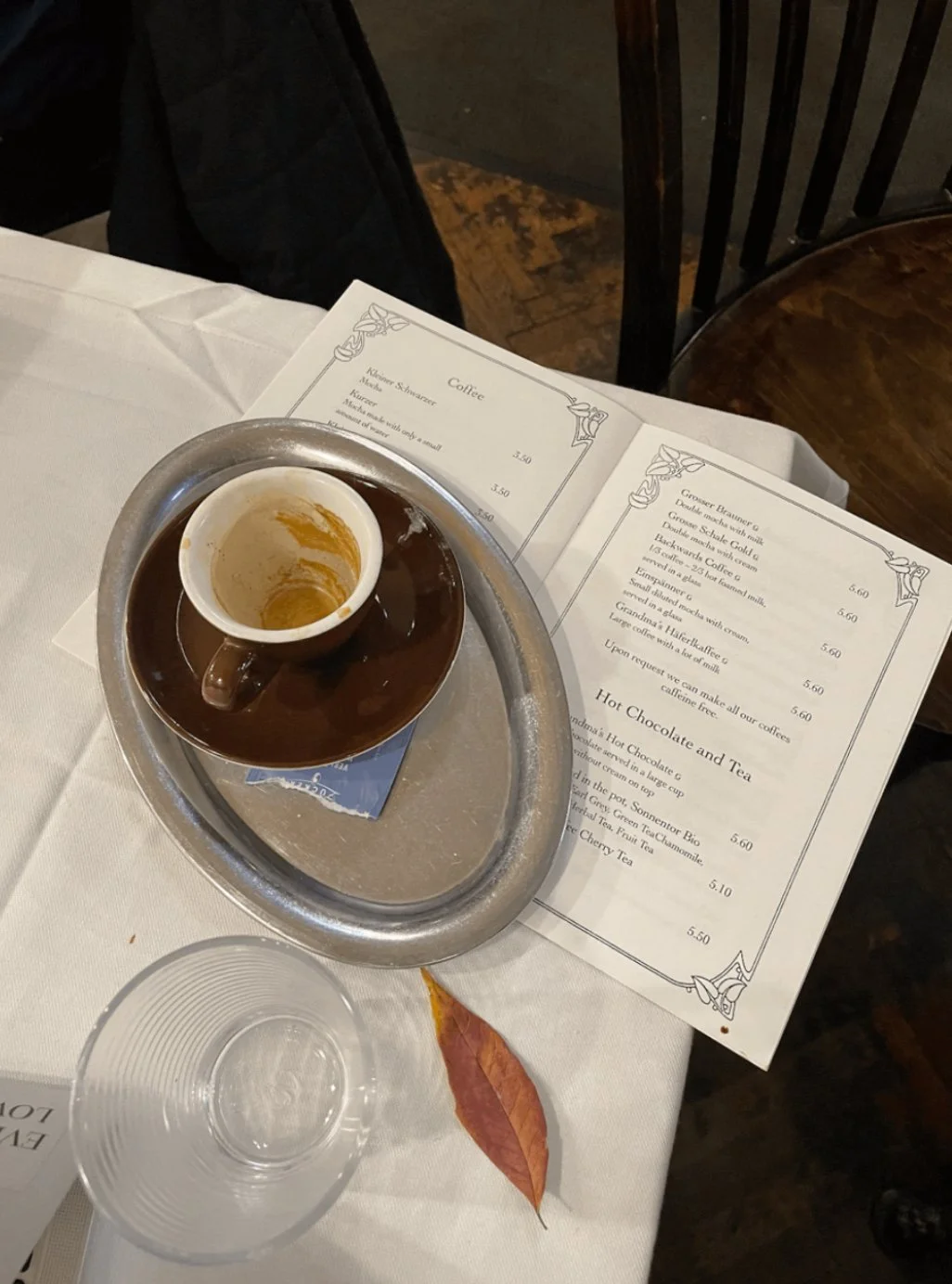
At one point or another, we all had to get used to saying “servus”; speedrunning through all our shopping on Saturday before 18:00; and probably all of us have at least once asked the waiter what in the world a “Kleiner Schwarzer" was.
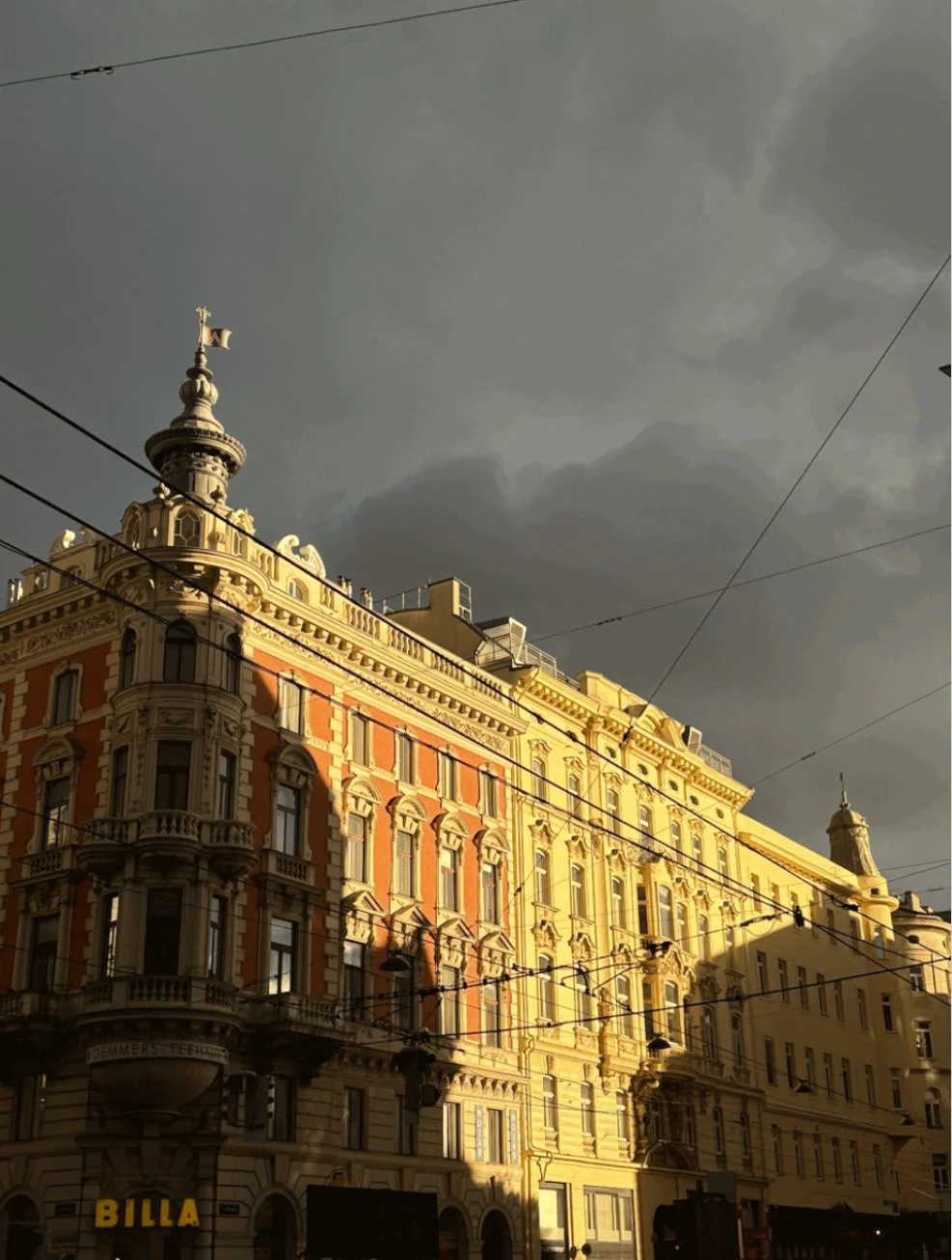
However, after the cultural – and (more significantly), the administrative shock, Vienna rewards you with its beauty.
It’s a challenge not to pause and awe on your daily commute, as you are passing castles, museums, and grand buildings that once echoed with the footsteps of royal families and the music of legendary Künstler:innen.
(P. S. You know Marie-Antoinette was Austrian, right?)
Then reality (and the U-Bahn inspector: “Fahrkarte, bitte!”) sets in.
The next stage of your Austrian assimilation? Being genuinely impressed by how spotless and punctual the Öffis are…and, yes, maybe getting fined once or twice (happens to the best of us)!
But when it comes to your first real challenges in Austria, it is almost impossible not to mention the German language. It is a long, challenging, but ultimately rewarding journey. That magical moment when someone smiles and says, “Du sprichst gut Deutsch!”...and suddenly, it all feels worth it.
And just when you think you’ve cracked the system, you will encounter the “final boss”: the Austrian dialect.
To demonstrate, there are specific words relevant only to Austria, which we at NIWA recommend you learn fast to sound like a true local. These words include:
Servus/Grüß Gott –> instead of “Hallo” or “Moin”
Sackerl –> instead of “Tüte” (bag)
Schmeckt gut –> instead of “Lecker” (tasty)
Semmel –> instead of “Brötchen” (type of bread)
Oida! – the Viennese classic meaning “Oh, man!”, but used in many other contexts and situations.
So you’ve mastered the language, the vocabulary and maybe even almost got used to the ethereal beauty surrounding you.
And then all of a sudden comes Sunday – Austria’s best hidden plot twist. You find yourself caught off guard, not having a single idea how to occupy yourself.
Here are some of our suggestions what to do in Vienna on a Sunday, when everything seems closed and there is not a single soul out in the streets:
Museums!
Vienna’s residents are lucky accessors to the world’s finest museums. Not only are they open on Sundays, but many of them also have a free entry on every first Sunday of the month!
Flea markets: the best place to find rare gems and discover new parts of the city.
Our personal favorite is a classic: the weekend flea market on Naschmarkt. There are, however, many more for exploring. Safe for the environment and helps you curate your personal unique style.
During warmer seasons: parks, parks, parks!
The beautiful architecture of Vienna is always interspersed with its beautiful nature and parks all around the city. It is always a pleasure to go there, have a picnic, meet up with friends, or maybe simply take a nap in the sun.
In colder seasons: Austria compensates its long and cold winters with its Christmas celebrations.
Christmas markets and THE ice rink at Rathausplatz are your go-to place during the winter. Visit for the most “instagrammable” pictures, glühwein (because we cannot talk about Austrian culture without this honorable mention), and overall, your best holiday memories to keep you warm even through tough Viennese winds.
Visit a new coffeeshop – there are hundreds in the city.
Which brings us to our final topic for today: Austria and coffee — a love story.
Austrians take their coffee seriously (and traditionally), so don’t expect to find a sweetened banana-milk raf latte anytime soon — I’m still searching for a good matcha myself.
But what really defines Austrian coffee culture isn’t the drink; it’s the ritual. In Vienna, coffeehouses aren’t cafés — they’re institutions. For centuries, they’ve served as meeting places for writers, thinkers, and Künstler:innen, where ideas brewed as richly as the coffee itself.
You will find amazing selections of classic coffee here, but with a twist – they have their own, different names. If you want to sound like a local and show off your knowledge at the coffee shop, it is very important to order your coffee correctly:
Espresso turns into Kleiner Schwarzer
Double espresso –> Großer Schwarzer
Americano –> Verlängerter (translated literally from German as – extended)
Espresso with a little milk –> Kleiner Brauner
Cappuccino –> Wiener Melange
Coffee with whipped cream –> Einspänner (served in a tall glass, espresso with a big dollop of whipped cream)
Austrians like to enjoy their coffee slowly, often with a glass of water and a newspaper (yes, we still read those in Austria). Sunday coffee is not meant to be grabbed and rushed, but enjoyed and lingered.
Your first months or even years in Austria can all feel like a big culture shock. Some habits we implement easily into our lives, some we cannot, and others we tailor to ourselves – which is how culture evolves and ever changes into the one we know and love today. Living in Vienna (in our hearts – still and always the most livable city in the world) is a blessing and an opportunity to take in beauty and culture every day. This city will challenge you, overwhelm you, and then, unexpectedly, feel like home.
Hope this article inspires you to spend your next Sunday strolling around the city and stopping for a Wiener Melange at the end of your walk <3
